Your cart is currently empty!

- Home/
- Buy Furosemide Online in the United Kingdom – Fast UK Delivery
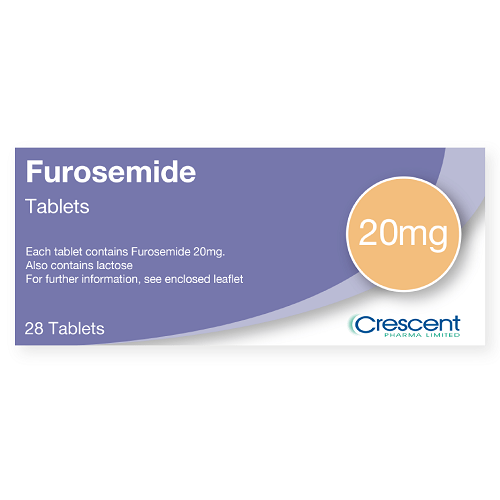
| Medication Name | Furosemide |
|---|---|
| Main Compound | Furosemide |
| Intended Use | Management of fluid retention (oedema) from heart, liver, or kidney conditions |
| Strengths Available | 20 mg, 40 mg, 500 mg tablets; oral and injectable forms |
| How Soon It Starts Working | Typically within 30–60 minutes (oral), 5 minutes (IV) |
| How Long Effects Last | About 6–8 hours (tablets); 2–3 hours (IV) |
| Prescribed Daily or When Needed? | Usually daily, but may be adjusted based on need |
| Legal Category in UK | Prescription-only medicine (POM) |
| Generic Providers in UK | Teva, Accord Healthcare, Mylan, Sandoz, and others |
Furosemide for Oedema: Guidance for United Kingdom
Furosemide is a commonly prescribed medication in the UK for treating fluid build-up (oedema) due to heart, kidney, or liver issues. It is available legally by prescription, in several forms and dosages, through both NHS and private pharmacies. If you or someone you care for is dealing with swollen legs, breathlessness, or rapid weight gain from excess fluid, Furosemide may be recommended as part of your treatment plan.
Oedema: A Widespread, Manageable Challenge
Swelling caused by fluid retention is more common than many realise, especially among those living with chronic heart, kidney, or liver conditions. According to the British Heart Foundation, around 900,000 people in the UK are diagnosed with heart failure, a leading cause of oedema, as of 2022 (British Heart Foundation). NHS England recognises that the numbers are likely higher when considering liver and kidney disease. These figures reflect just how many people face the daily impact of swelling, breathlessness, and discomfort — and how routine it is for the NHS to address these issues. Importantly, effective treatments such as Furosemide are well established, giving most people a practical way forward.
How Furosemide Helps: The Underlying Process Explained
- What happens in oedema: Your body retains fluid due to an underlying problem, often in the heart, kidneys, or liver. This excess water seeps into tissues, causing swelling (typically in legs, feet, or abdomen) and may lead to symptoms like breathlessness or rapid weight gain.
- How Furosemide works: Furosemide is a “loop diuretic.” It acts on the kidneys, specifically the loop of Henle, prompting them to expel more sodium and water into your urine. As this fluid is removed, swelling and pressure on your circulation decrease.
- What you will feel: After taking Furosemide, most people notice an increased need to urinate within the first hour (especially after oral tablets). Over several hours, swelling reduces, breathing may become easier, and body weight often drops as fluid is lost.
In essence, Furosemide addresses both the visible and uncomfortable effects of fluid overload by directly increasing the rate at which your body eliminates excess water. For many, this brings relief from heaviness, puffiness, and associated symptoms within the same day of starting treatment.
Is Furosemide Right For You? Matching Medication to Situation
| Your Situation | Furosemide: Is It Suitable? | Reason |
|---|---|---|
| Persistent swelling in your legs or abdomen despite lifestyle measures | Yes | Furosemide is often first-line for fluid overload not controlled by diet or physical measures. |
| Shortness of breath worsening when lying down, with known heart failure | Yes | Furosemide is highly effective for acute or chronic heart failure-related oedema. |
| Sudden severe swelling, rash, or chest pain | No — Urgent assessment needed | These may indicate a medical emergency (e.g., blood clot or allergic reaction). Immediate care, not Furosemide alone, is required. |
| Mild swelling with normal heart, liver, and kidney function | Not usually | Furosemide may be unnecessary and could cause harm in the absence of underlying organ disease. |
| Significant kidney impairment or allergy to sulfa drugs | No | Furosemide is contraindicated in certain kidney conditions or allergies (see below for detail). |
Choosing Furosemide depends on your diagnosis and underlying health. It is best matched to moderate to severe oedema caused by heart, liver, or kidney disease — not for mild, unexplained, or isolated swelling. When in doubt, an NHS GP or specialist can help clarify if Furosemide is the most appropriate treatment option for your circumstances.
Practical Use: What to Expect and What to Watch For
- How to take it: Furosemide is usually taken once daily in the morning to avoid night-time urination. Tablets are swallowed with water, with or without food. Dosage is individualised by your prescriber.
- If you miss a dose: Take it as soon as you remember if early in the day. If late, skip and resume next day; do not double up.
- What is normal: Needing the toilet more often, especially within a few hours of taking your tablet. A mild drop in weight as fluid is lost. Slight dizziness when standing up, especially at the start of treatment.
- When to seek advice: Persistent vomiting, severe dizziness, muscle cramps, confusion, or no urination for 12 hours. These may signal dehydration or an imbalance of body salts.
- If it doesn’t work: Tell your doctor. Doses may need adjustment, or underlying causes may require further investigation.
- Food and drink: No special restrictions, but your healthcare provider may recommend moderating salt intake and monitoring fluid consumption.
As a practical tip, plan daily activities around increased urination for the first few hours after taking your dose. Regular monitoring of weight and symptoms will help you and your healthcare team adjust treatment as needed.
Is Furosemide Safe For You? Key Safety Considerations
Contraindications: When Furosemide Should Not Be Used
- Severe allergy to Furosemide or sulphonamides: The risk of serious allergic reactions means Furosemide is not suitable if you have reacted to these drugs before.
- Very low levels of sodium or potassium in your blood: Because Furosemide can further lower these salts, it is unsafe until levels are corrected — otherwise, heart rhythm problems may occur.
- Complete kidney shutdown (anuria) not responsive to Furosemide: There is no benefit if the kidneys cannot produce urine at all; alternative treatments are needed.
- Hepatic coma or severe liver disease with confusion: Furosemide can worsen certain complications in advanced liver disease — specialist care is required.
- Pregnancy and breastfeeding: Only used if benefits clearly outweigh risks, and always under specialist guidance.
Contraindications are assessed by your prescriber before starting Furosemide. Always inform your doctor of all health conditions and medication allergies before treatment.
Likely Side Effects: What’s Common, What’s Rare, What Needs Urgent Help
- Frequently experienced: More urination, mild dizziness (especially on standing), low blood pressure, muscle cramps, mild headache, increased thirst. These are usually mild and settle as your body adjusts.
- Occasionally: Raised blood sugar, changes in blood uric acid (potential gout flare-ups), mild hearing change at high doses (rare in usual prescriptions).
- Uncommon but serious: Severe dehydration (dry mouth, confusion, rapid heartbeat), severe drop in potassium or sodium (muscle weakness, irregular heartbeat). These may require dose adjustment or treatment of salt imbalances.
- Urgent attention required: Swelling of face or throat, difficulty breathing, severe rash, sudden confusion, or sudden hearing loss. These may indicate a severe allergic reaction or dangerous electrolyte imbalance. In these cases, call NHS 111 or for life-threatening emergencies, dial 999 (UK emergency services).
Most people tolerate Furosemide well, but careful monitoring — especially at the start — helps keep risks low. Side effects usually improve with dose adjustments or supportive measures.
Drug Interactions: Important Considerations With Other Medications
Furosemide interacts with various common medicines. The most relevant include:
- ACE inhibitors and ARBs: Used for blood pressure and heart failure; may cause low blood pressure or kidney issues when combined with Furosemide.
- Other diuretics: Combining with thiazide or potassium-sparing diuretics increases risk of dehydration or electrolyte disturbances.
- Non-steroidal anti-inflammatory drugs (NSAIDs): Such as ibuprofen, which may reduce the effect of Furosemide and injure kidneys when used together, especially in dehydration.
- Lithium and certain antibiotics (e.g., aminoglycosides): May have increased toxicity when used alongside Furosemide.
Always provide your prescriber with a complete list of medicines you take, including over-the-counter and herbal remedies. Interactions can often be managed safely when your doctor is aware of your full medication profile.
How Does Furosemide Compare? Alternatives and Limitations
Dr. Sarah Kennedy, Consultant Nephrologist (London): “Furosemide remains the cornerstone for treating moderate to severe oedema in heart, kidney, and liver disease. However, it is not always the answer for every patient — and some may need alternatives, or a combination approach, depending on their response and side effect profile.”
| Option | When Preferred | Strengths | Limitations |
|---|---|---|---|
| Furosemide | Rapid, substantial fluid loss required (heart, liver, kidney failure) | Fast acting, available in oral and IV, widely used with predictable effect | May cause electrolyte loss, needs monitoring, some cases resistant |
| Bumetanide | If there is poor response to Furosemide, or in severe renal impairment | More potent mg-for-mg, effective in some resistant cases | Shorter duration, similar side effect profile |
| Spironolactone | Oedema due to liver cirrhosis, or to limit potassium loss | Spares potassium, beneficial for certain liver problems | Slower onset, not as potent for rapid fluid removal |
| Physical measures (compression, elevation) | Mild swelling, or as adjunct to medication | Non-drug option, no direct side effects | Insufficient for moderate/severe oedema from organ failure |
For most with significant oedema due to major organ issues, Furosemide is the first and most effective option. However, if you do not respond well, or your kidney function is severely reduced, other medicines or combination regimens may be better suited. The choice is always individualised and may change as your condition evolves.
What You Will Actually Pay: Real Costs for Furosemide in the UK
| Cost Item | Amount | Note |
|---|---|---|
| NHS Doctor Consultation | Free (NHS) / £40–£150 (private GP) | Most prescriptions are issued by NHS GPs at no cost |
| Prescription Charge | £9.65 per item (NHS England) | May be exempt for eligible patients; free in Scotland, Wales, NI |
| Medication (Furosemide tablets, 28–56 tablets) | Approx. £2–£8 (private cost) | On NHS, covered by prescription charge; private pharmacies set own prices |
| Home Delivery | £0–£5 | Many UK pharmacies offer free delivery, but charges may apply |
| Total | £9.65–£23.65 | Standard NHS scenario with prescription and possible delivery |
For most people, the main cost is the NHS prescription charge unless you qualify for exemption. Private online pharmacies may charge more, and some require a private GP consultation. Always check the pharmacy’s registration with the Medicines and Healthcare products Regulatory Agency (MHRA) to ensure you are buying genuine medication.
Final Clarifications: Remaining Questions on Furosemide Use
- Can I buy Furosemide online without a prescription? In the UK, legal purchase always requires a prescription. Some online pharmacies offer same-day private consultations for a fee, after which Furosemide can be dispensed.
- How quickly does it relieve swelling? Many notice relief within hours, but full effect requires several days of regular use and monitoring.
- Is long-term use safe? With regular blood tests and medical supervision, many take Furosemide for years. Periodic review ensures it remains the right option as your health needs change.
- What should I do before starting? Always discuss with your doctor, have a recent kidney function and blood salt test, and review all other medications you take.