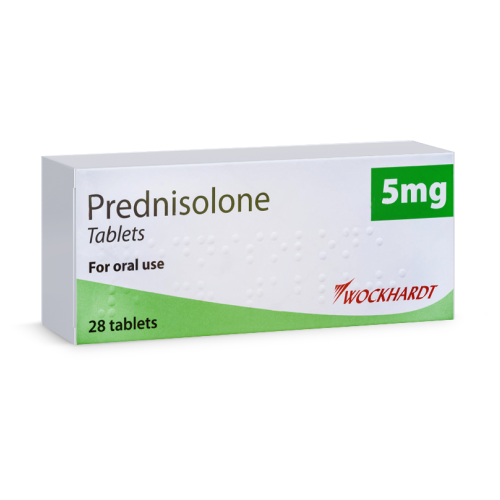
Buy Prednisolone at Low Price in United Kingdom Online
Prednisolone is a prescription medicine widely used in the United Kingdom to treat inflammation—whether that’s in the joints, skin, lungs, or elsewhere. If you’ve been prescribed Prednisolone, the single most important thing to know is that its benefits depend on using the right dose for the right amount of time—too little and it may not work, too much and the risks increase. Speak to your doctor or pharmacist if you’re unsure about your course: timing, tapering, and side effects all matter.
The Moment Prednisolone Enters the Picture in United Kingdom: What Drives That Decision?
Consider this scene: it’s a Monday morning at a GP practice in Birmingham. The patient’s already tried paracetamol, ibuprofen, and a week of “wait and see.” Their joints are hot and swollen, or perhaps their asthma flare simply won’t settle. That’s when Prednisolone comes up—not as a first choice, but as a deliberate escalation. Rarely is it the first port of call for inflammation in the UK. More often, it arrives when gentler options have failed, or when the stakes are suddenly higher: vision at risk from an inflamed eye, lung function dropping, or a rash on the verge of blistering.
Prednisolone’s role in the NHS pathway is about urgency and control. In primary care, it’s the medication that signals a step up—a move from “symptomatic relief” to “let’s take control now.” Rheumatologists, dermatologists, and respiratory specialists reach for it when inflammation is winning. The clinical decision is rarely straightforward: Prednisolone is effective, but the cost is risk. The art is in timing: short, sharp courses for acute flares, or a carefully titrated dose for a chronic disease that won’t let go.
Inflammation: The body’s complex response to injury, infection, or chronic disease, often causing redness, swelling, pain, or loss of function.
Patients sometimes expect a miracle—“a steroid will clear this right up”—but doctors weigh each case. If you’ve been recommended Prednisolone, it usually means the alternatives haven’t delivered, or the risk of not treating is now greater than the risk of side effects. In the NHS, this decision is not taken lightly. For some, Prednisolone is the difference between living with pain and getting their mobility back; for others, it’s a temporary tool to keep things from getting worse while longer-term solutions take over.
How Prednisolone Tames Inflammation (and What That Means Day to Day)
Prednisolone doesn’t merely ease symptoms—it disrupts the body’s immune machinery at a fundamental level. Unlike over-the-counter anti-inflammatories, its reach is deep: it blocks multiple steps in the inflammatory cascade, cutting off the storm at the source. This makes it potent against swelling, redness, heat, and pain, wherever they appear. But that same power means it can’t distinguish between helpful and harmful inflammation; while it’s at work, the immune system as a whole is dampened.
Speed: For many, symptom relief begins within 24–48 hours. That rapid effect is one reason Prednisolone is used for acute flares.
Scope: It works in a broad range of conditions—rheumatoid arthritis, polymyalgia rheumatica, severe eczema, asthma attacks, inflammatory bowel disease, and others.
Duration: The longer you use it, the more your body notices. Short bursts carry fewer risks; weeks or months of use raise the stakes for side effects.
💡CLINICAL TIP: Most patients feel better quickly—but that improvement is not a sign to stop early. Abruptly stopping Prednisolone can be dangerous, especially after more than two weeks of use. Always follow your doctor’s plan for tapering or discontinuation.
For daily life, this means you may go from struggling to move or breathe to functional within days. But you also may notice changes in mood, appetite, or sleep—Prednisolone’s effects are not just on the inflammation you can see. Understanding what’s happening inside makes it easier to spot what’s normal and when to seek help.
Prednisolone vs. Other Inflammation Treatments: Where It Fits and Where It Doesn’t
Patients often want to know: is Prednisolone really so different from other anti-inflammatories and steroids? The answer lies in its versatility, speed, and risk profile. Unlike NSAIDs (such as ibuprofen) or disease-modifying drugs (like methotrexate), Prednisolone is both a “rescue” and a “bridge”—it’s the one prescribed when an immediate effect is needed or while waiting for longer-acting agents to take hold.
How Prednisolone Compares to Other Inflammation Medications in the UK
Attribute
Prednisolone
Ibuprofen (NSAID)
Methotrexate
Approved Uses
Wide (acute and chronic inflammation, autoimmune conditions)
May need blood pressure, blood sugar, bone density
Rarely
Frequent blood tests
What does this mean for you? Prednisolone is usually chosen when speed matters and the problem is severe. It isn’t used for routine aches and pains, nor is it the drug for “maintenance” in most chronic conditions. But it fills a crucial gap: where other drugs are too slow, or inflammation poses an immediate threat, Prednisolone’s broad action changes the game. Its risks, though, are substantial enough that few British doctors prescribe it lightly. The right question is not “Is Prednisolone safe?” but “Is it the right tool for my situation, for the shortest time possible?”
Dosing Prednisolone in Real Life: Why It’s Rarely One-Size-Fits-All
“How much will I need?” It’s the question that patients ask—and it never has a simple answer. Dosing depends on the condition, severity, age, other health issues, and how you respond. The NHS approach is always to use the lowest effective dose for the shortest period, but what that looks like varies wildly between a child with croup, an adult with rheumatoid arthritis, and an elderly patient with a severe asthma flare.
⚠️IMPORTANT: Never adjust your Prednisolone dose without speaking to your doctor—even if you feel well or your symptoms have changed. Sudden changes can be dangerous.
Typical Prednisolone Doses for Inflammation in the UK (Adults)
Condition
Starting Dose (Daily)
Duration
Taper Needed?
Acute Asthma Exacerbation
30–40 mg
5–7 days
No (short course)
Rheumatoid Arthritis Flare
10–20 mg
Varies (often weeks–months)
Yes
Polymyalgia Rheumatica
15–20 mg
Months, then gradual reduction
Yes
Severe Skin Inflammation
30–40 mg
1–2 weeks, then reduce
Yes
Actual prescriptions may differ—weight, kidney function, and other medications can all matter. Where children or those with significant liver or kidney disease are concerned, dosing is highly individualised and always specialist-led. Tapering is required for most courses longer than 3 weeks; this prevents withdrawal and allows your body’s own steroid production to recover. Your GP or hospital doctor will provide a personalised plan, often with clear written instructions.
Which Side Effects Matter Most with Prednisolone—and When to Act
Every patient has heard about the risks. Some worry about “moon face,” others about diabetes or bone loss. But not all side effects are equally significant, nor do they all happen to everyone. What matters most is duration: a week on Prednisolone is a different proposition from months of treatment. In practice, most side effects are mild and reversible if treatment is short. The rare but serious issues—high blood sugar, severe infection, psychiatric symptoms—demand early recognition and action.
As you read about the risks, remember: being forewarned lets you act early. Most complications are preventable if caught soon. Here’s what patients in the UK most often experience, and when you should get in touch with your doctor:
Prednisolone Side Effects: Frequency and When to Contact Your Doctor
Side Effect
How Common?
When to Contact Doctor
Increased appetite, weight gain
Common (especially >2 weeks use)
If rapid or severe, or causing distress
Insomnia, mood swings
Common
If causing agitation, depression, or not improving
High blood sugar (diabetes risk)
Uncommon (more likely in those at risk)
If you feel very thirsty, pass urine often, or are known diabetic
Infection (chest, urine, skin)
Uncommon–common
If fever, cough, or wounds that don’t heal
Osteoporosis (bone thinning)
Rare (short course); more likely with months of use
If bone pain, unexplained fractures
Stomach ulcers
Uncommon
If you develop severe abdominal pain or black stools
Psychiatric symptoms (delirium, psychosis)
Rare
If you or your family notice confusion, hallucinations, or bizarre behaviour
Adrenal suppression (withdrawal risk)
Risk increases after >2 weeks
Do not stop suddenly; report fatigue, weakness, or dizziness
The message from NHS practice: short courses (under 2 weeks) are rarely dangerous, but anyone on Prednisolone for longer must be monitored. Blood pressure, blood sugar, and bone health are part of longer-term care. For those with diabetes, mental health concerns, or a history of infection, doctors will weigh risks especially carefully before starting treatment. And if you notice any new or worrying symptoms, contact your surgery or pharmacy promptly—most side effects can be managed or reversed if tackled early.
When Not to Take Prednisolone: Clinical Red Lines and Grey Areas
🚫ABSOLUTE CONTRAINDICATIONS:
Active, untreated infection: Especially tuberculosis, fungal, or severe bacterial infection. Prednisolone can worsen these quickly.
Known allergy to Prednisolone or related steroids: Exceptionally rare, but a full allergy history is essential.
Recent live vaccine: High-dose Prednisolone can reduce vaccine effectiveness and increase risk of infection.
Uncontrolled diabetes: Prednisolone raises blood sugar. Doctors may still prescribe it, but with close monitoring and sometimes a dose adjustment for diabetic medicines.
Severe osteoporosis or history of fractures: Risk of new fractures increases with long-term use, but sometimes the benefit outweighs the risk.
History of psychiatric illness: Prednisolone can trigger mood swings or even psychosis, especially at high doses. Your doctor will discuss the risks and may opt for the lowest possible dose.
Peptic ulcer disease: Prednisolone can predispose to ulcers. Your doctor may prescribe a stomach-protecting medicine alongside.
Glaucoma, cataracts: Eye pressure can rise with steroids—specialist review is standard for eye involvement.
Children, pregnancy, or breastfeeding: Dosing and duration are strictly specialist-managed. Risks and benefits require careful discussion.
If any of these conditions apply to you, discuss them frankly with your doctor before starting Prednisolone.
Getting Prednisolone in the UK: Prescription Rules, NHS Coverage, and Pharmacy Realities
Prednisolone is a prescription-only medicine in the UK. You won’t find it on the shelves next to paracetamol or ibuprofen. It requires a clinician’s signature, almost always based on an in-person (or, in rare urgent cases, remote) assessment. Pharmacists cannot supply it without a prescription; online ordering is only legal via registered UK pharmacies with proof of a valid prescription.
GP or Specialist Appointment: Most courses begin with an NHS consultation—either with your family doctor or a hospital specialist.
Prescription Issued: For acute flares, the script is usually for a short course with clear dosing and duration. Chronic or complex cases often require a written plan for tapering.
Pharmacy Dispensing: Any UK community pharmacy can dispense Prednisolone with a valid prescription. You may be charged the standard NHS prescription fee unless exempt.
Monitoring and Repeat Prescriptions: For longer-term use, your GP or specialist may arrange regular reviews and blood tests, with repeat scripts available as needed.
The NHS covers Prednisolone, so there are no hidden costs beyond the usual prescription charge. For those over 60, under 16, pregnant, or with certain long-term conditions, prescriptions are usually free. Private prescriptions are possible but rare—most patients will have NHS cover.
ℹ️NOTE: Be wary of websites selling Prednisolone without requiring a prescription. In the UK, this is illegal and potentially dangerous—unregulated products may be counterfeit or unsafe.
Hospital pharmacies may dispense Prednisolone for acute admissions or specific outpatient clinics. In all settings, NHS guidelines and UK regulatory standards apply: the Medicines and Healthcare products Regulatory Agency (MHRA) oversees safety, quality, and legal supply. If you’re ever unsure whether a source is legitimate, ask your GP or pharmacist.
Prednisolone in the UK: Questions Patients Actually Ask
Will I gain weight on Prednisolone, even for a short course?
Weight gain is most often associated with longer courses or higher doses, but some people notice increased appetite even after just a week. True weight gain in a brief course is uncommon. If you’re on it for more than two weeks, discuss strategies to manage your appetite and monitor your weight with your healthcare team.
Can I drink alcohol while taking Prednisolone?
Alcohol is not strictly forbidden with Prednisolone, but heavy drinking can increase the risk of stomach irritation and ulcers—especially if you are also taking NSAIDs. For most people, occasional moderate alcohol is compatible, but check with your doctor if you have liver issues or a history of ulcers.
Do I need to shield or avoid crowds while on Prednisolone?
Short courses do not usually require you to take extra precautions. With longer courses or higher doses, your immune system is suppressed, and infection risk rises. In those situations, you may need to avoid people who are unwell, and have annual flu and pneumonia vaccinations.
Is Prednisolone safe during pregnancy?
Prednisolone is sometimes prescribed during pregnancy when the benefits outweigh the risks, such as in severe asthma or autoimmune flares. The decision is specialist-led; your doctor will consider all options and monitor you more closely if Prednisolone is used while pregnant.
What happens if I miss a dose?
If you miss a single dose, take it as soon as you remember—unless it’s almost time for the next dose. Never double up. Missing several doses in a row can cause problems if you’ve been on Prednisolone for more than a couple of weeks; contact your doctor for advice if this happens.
How do I stop taking Prednisolone safely?
Stopping suddenly after more than two or three weeks can be dangerous due to adrenal suppression. Your doctor will provide a tapering plan, gradually reducing the dose over weeks to months. Always follow your prescribed schedule and check with your doctor before making any changes.
Are there foods or supplements I should avoid?
Prednisolone can raise blood sugar and blood pressure, so a diet low in salt and sugar is often recommended. Calcium and vitamin D supplements may help protect your bones for longer courses. Avoid grapefruit juice, which can affect how Prednisolone is processed in your body. Always discuss new supplements with your healthcare provider.
Can Prednisolone interact with other medicines I take?
Yes, especially with blood thinners, diabetes medications, some anti-infectives, and certain vaccines. Always give your doctor and pharmacist a full list of all your medicines before starting Prednisolone.