Your cart is currently empty!

- Home/
- Buy Neurontin in Online Pharmacy | Fast Delivery in United Kingdom
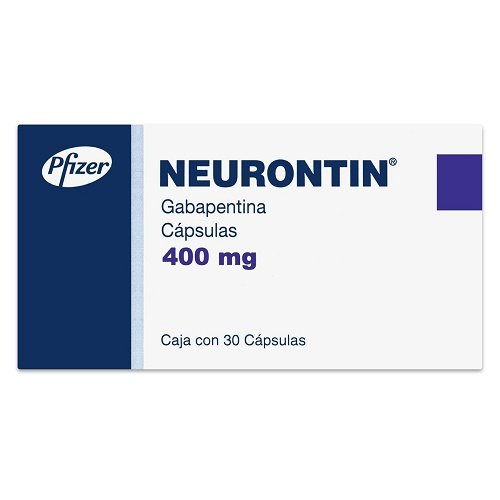
Can Neurontin Be Obtained Without a Prescription in the United Kingdom?
Neurontin (gabapentin) is a prescription-only medicine (POM) in the United Kingdom. It cannot be obtained legally without a valid prescription from a registered healthcare professional. Any source offering Neurontin without prescription is likely operating outside UK law.
Key Takeaways: What You Need to Know About Neurontin in the UK
- Neurontin is only available by prescription in the United Kingdom, following assessment by a qualified doctor.
- It is most commonly prescribed for neuropathic pain and certain forms of epilepsy—other uses are strictly off-label.
- Gabapentin (Neurontin) may not provide immediate pain relief; effects are typically noticeable within days to weeks of consistent use.
- Dependence and withdrawal symptoms can occur if stopped abruptly—always follow your doctor’s instructions for dose changes.
- The most important safety aspect is avoiding sudden discontinuation and informing your doctor about all other medications you take.
- Consult a specialist if you experience any unusual side effects, severe drowsiness, breathing difficulties, or mood changes.
What Is Neurontin and Who Is It For?
Neurontin is the original brand of gabapentin, a medicine classified as a gabapentinoid. In the UK, it is primarily used to treat neuropathic pain—that is, pain resulting from nerve damage, commonly seen in conditions such as diabetic neuropathy, postherpetic neuralgia (after shingles), and spinal cord injury. It is also licensed as adjunctive therapy in partial seizures in epilepsy.
While gabapentin has been explored for anxiety, migraine prevention, and fibromyalgia, these uses are considered off-label and are prescribed only after careful specialist consideration. Neurontin is not indicated for routine acute pain or inflammatory pain (such as headaches or arthritis).
How Does Neurontin (Gabapentin) Work? In-Depth Mechanism of Action Explained
Gabapentin exerts its therapeutic effect by binding to the α2δ subunit of voltage-gated calcium channels in the central nervous system. This binding inhibits the release of excitatory neurotransmitters such as glutamate, noradrenaline, and substance P, which are involved in the transmission of pain and the generation of seizures. Unlike classical GABAergic medications, gabapentin does not bind directly to GABA receptors or influence GABA metabolism, despite its structural similarity to GABA.
In practical terms, gabapentin reduces neuronal hyperexcitability—it “dampens down” overactive nerve signals that can cause persistent, abnormal pain sensations or trigger seizures. Its action is independent of food intake or daily routine, but consistent dosing is crucial for maintaining its effect.
Metaphor: Imagine an electrical circuit with a faulty wire constantly sparking; gabapentin acts like an insulator, reducing the excess firing, making the system run more smoothly.
Expert Commentary: Why the Treatment Journey with Neurontin Can Surprise Patients
As a physician, I’ve often noticed that patients expect relief from neuropathic pain within hours or days—much like with strong analgesics. In reality, the effects of Neurontin tend to build gradually, sometimes taking a week or more to become clearly noticeable. Patients are often unprepared for side effects like drowsiness or mild dizziness, interpreting them as signs that the drug “isn’t working” or “isn’t for them.” Another issue is that patients rarely ask about how to taper off the medication or what withdrawal symptoms might look like, despite these being crucial considerations. It’s also common for people to assume that if some is good, more must be better, not realising that exceeding prescribed doses does not improve pain control and can increase risk. From a clinical perspective, I wish more patients were aware that neuropathic pain sometimes only partially responds to medication and that a holistic approach—including physiotherapy and psychological support—often yields the best results.
How Should Neurontin Be Taken? Dosing, Timing, and Duration
The standard starting dose for neuropathic pain in adults is typically 300mg once on day one, increasing to 300mg twice on day two, and 300mg three times a day on day three, as tolerated. The dose may then be increased gradually, based on individual response and side effects. The maximum licensed daily dose in the UK is 3,600mg, usually divided into three doses. For epilepsy, dosing regimens are similar but may be tailored by a neurologist.
- Tablets and capsules should be swallowed whole with water—do not split or crush unless directed, as some formulations are not designed for splitting.
- Peak effect is seen after 2–3 hours; pain relief may require several days of regular use.
- Doses must be reduced in patients with kidney (renal) impairment; elderly patients may require slower titration.
- Do not exceed prescribed dose—higher doses increase adverse effect risk without additional benefit.
Sudden discontinuation is dangerous and can cause withdrawal symptoms or seizures, particularly in those with epilepsy. Always follow your prescriber’s tapering advice.
How Does Food, Alcohol, and Lifestyle Affect Neurontin?
Food: Gabapentin’s absorption is not significantly affected by food, so it may be taken with or without meals. However, taking it with food may reduce stomach upset in sensitive individuals.
Alcohol: There is a strict warning against consuming alcohol while taking Neurontin, as both substances can enhance central nervous system depression—leading to excessive drowsiness, dizziness, or even respiratory depression. Ideally, avoid alcohol altogether, or strictly limit to no more than one standard unit per day if your doctor agrees.
Grapefruit Juice: Unlike some medications, gabapentin is not metabolised by cytochrome P450 enzymes, so grapefruit juice does not significantly alter its effect.
Driving and Machinery: Gabapentin can cause drowsiness and visual disturbances, particularly during dose adjustments. In the UK, it is an offence to drive if your ability is impaired by medication. Only resume driving once you know how Neurontin affects you.
Compatibility: Neurontin and Common Substances
| Type of Product | Can It Be Combined? | Consequences |
|---|---|---|
| Paracetamol | Yes | No significant interaction |
| Codeine | With caution | Increased sedation—doctor guidance needed |
| Alcohol | No | Risk of severe drowsiness, respiratory depression |
| Antacids (e.g., Gaviscon) | Separate by 2 hours | Antacids may reduce gabapentin absorption |
| Pregabalin (Lyrica) | Not recommended | No added benefit, increased side effects |
Who Should Not Take Neurontin? Absolute and Relative Contraindications
- Absolute contraindications:
- Known allergy or hypersensitivity to gabapentin or any excipient in the formulation.
- Severe renal impairment (creatinine clearance <15 mL/min) unless dose is specifically adjusted and monitored by a specialist.
- Relative contraindications (use only under specialist advice):
- History of severe depression or suicidal thoughts—gabapentin may increase risk in rare cases.
- Severe respiratory compromise (COPD, sleep apnoea)—CNS depressant effect may worsen breathing.
- History of substance misuse—gabapentin is a controlled drug in the UK due to potential misuse and dependence.
- Pregnancy or breastfeeding—gabapentin should be used only if the benefits outweigh risks; consult your specialist.
- Children under 6 years (for neuropathic pain)—not licensed.
If you have recently experienced a heart attack, gabapentin is generally safe, but any new neurological symptom should be discussed with your cardiologist and neurologist before starting therapy.
What Side Effects Are Most Common With Neurontin?
Side effects of Neurontin are classified as follows, from UK product information and the NHS and EMA data:
- Very common (>1 in 10):
- Drowsiness, dizziness, fatigue
- Unsteadiness (ataxia)
- Common (1 in 100 to 1 in 10):
- Weight gain, increased appetite
- Peripheral oedema (swelling of legs, ankles)
- Blurred vision, diplopia (double vision)
- Memory impairment, tremor
- Dry mouth
- Respiratory tract infections
- Diarrhoea or constipation
- Rare (<1 in 1,000):
- Pancytopenia (blood cell reduction)
- Jaundice, hepatitis
- Severe allergic reactions (anaphylaxis, angioedema)
- Suicidal thoughts or behaviour
- Severe skin reactions (e.g., Stevens-Johnson syndrome)
- Myopathy (muscle weakness)
Most side effects occur during the first few weeks and often improve as your body adjusts. Serious reactions are rare but require immediate medical attention. If you develop skin rash, sudden mood changes, severe drowsiness, or breathing difficulties, contact NHS 111 or emergency services (999) immediately.
Myth vs Reality: Does Neurontin Cause Addiction?
Myth: Neurontin is “non-addictive” and safe to stop anytime.
Reality: Gabapentin can cause dependence, especially at high doses or with prolonged use. Do not stop suddenly without medical advice.
Common Pitfalls: Mistakes Patients Make When Taking Neurontin for Neuropathic Pain in the UK
- Stopping the medication abruptly: This can result in withdrawal symptoms, including anxiety, insomnia, nausea, and in rare cases, seizures. Always taper under supervision.
- Doubling up on missed doses: Taking extra tablets to “catch up” increases side effect risk without restoring benefit. If you miss a dose, take it as soon as you remember unless it is almost time for your next dose.
- Not informing the doctor about all current medications: Gabapentin can interact with other CNS depressants (opioids, benzodiazepines) or antacids, increasing adverse effects.
- Taking with antacids without timing separation: This reduces absorption—always allow at least two hours before or after.
- Expecting immediate pain relief: Gabapentin’s effects build up gradually; premature discontinuation may mean missing the therapeutic benefit.
- Not monitoring for mood changes: Rare, but gabapentin can worsen depression or provoke suicidal thoughts; any mood change should be reported.
- Driving too soon after dose changes: Wait until you know how the drug affects you, as drowsiness and concentration impairment are common initially.
How Does Neurontin Compare to Other Treatments for Neuropathic Pain?
Below is a comparison of Neurontin (gabapentin) and its main alternatives used for neuropathic pain in the UK:
| Medication | Onset of Effect | Duration | Most Common Side Effects | Typical Monthly Cost (GBP) | Controlled Drug Status |
|---|---|---|---|---|---|
| Neurontin (Gabapentin) | 3–7 days for pain relief | 8–12 hours per dose | Drowsiness, dizziness, weight gain | £12–£25 (NHS prescription charge or private) | Yes (Class C, Schedule 3) |
| Pregabalin (Lyrica) | 2–5 days | 8–12 hours per dose | Dizziness, drowsiness, peripheral oedema | £20–£40 | Yes (Class C, Schedule 3) |
| Amitriptyline (Generic) | 7–14 days | 12–24 hours | Dry mouth, sedation, weight gain | £8–£15 | No |
| Duloxetine (Cymbalta) | 7–14 days | 24 hours | Nausea, dry mouth, sleep disturbance | £15–£30 | No |
Neurontin and pregabalin are both controlled drugs in the UK and require additional prescription security. Amitriptyline or duloxetine may be preferred in certain patients due to side effect profiles or co-existing mood disorders.
Pharmacokinetics: How Is Neurontin Metabolised and Eliminated?
Gabapentin is unique among neuropathic pain agents because it is not metabolised by the liver. Instead, it is absorbed in the small intestine via a saturable transport system, peaks in blood plasma after 2–3 hours, and is eliminated unchanged by the kidneys. The average elimination half-life (T1/2) is 5–7 hours, which is why it is usually dosed three times daily for stable effect.
This pharmacokinetic profile explains why:
- Gabapentin is safer in liver disease but requires dose reduction in kidney impairment.
- There are few significant drug-drug interactions compared to medications metabolised by the liver.
Special Considerations for Certain Patient Groups
- Elderly: More susceptible to drowsiness, dizziness, and falls. Dose increases should be more gradual and lower maximum doses may be needed.
- Kidney impairment: Dose reductions are mandatory—failure to adjust increases risk of toxicity and side effects.
- Pregnancy and breastfeeding: Gabapentin is not generally recommended unless the benefits outweigh risks. Discuss with your doctor and report any pregnancy immediately.
- Driving and operating machinery: Initial drowsiness and visual disturbance are common—UK driving laws require you to stop driving if impaired by medication. Inform DVLA if required.
- Fertility: No evidence of impairment in human studies, but data are limited. Discuss family planning with your clinician if concerned.
Myth vs Reality: Is Neurontin Safe for Long-Term Use?
Myth: Gabapentin is “safe for life-long use” if it works.
Reality: While some patients use it for years, long-term use can lead to tolerance, dependence, and sometimes reduced effectiveness. Periodic review by your doctor is essential.
Key Technical Information: Neurontin (Gabapentin)
| Available strengths | 100mg, 300mg, 400mg, 600mg, 800mg capsules/tablets |
| Formulations | Capsules, film-coated tablets, oral solution |
| Usual adult dose | 300–3,600mg daily (in divided doses) |
| Storage | Room temperature, keep out of reach of children |
| Controlled drug status (UK) | Class C, Schedule 3 |
Obtaining Neurontin Legally in the UK: Step-by-Step Guide
- Step 1: Book a consultation with your GP or a qualified pain management specialist, either in-person or, where appropriate, via a regulated telemedicine provider.
- Step 2: Undergo a medical assessment to confirm the diagnosis of neuropathic pain or epilepsy and discuss your symptoms, medical history, and current medications.
- Step 3: If appropriate, your doctor will issue a prescription (either NHS or private). NHS prescriptions may be issued via your GP or hospital specialist depending on your pathway. Private prescriptions may be available for those not meeting NHS criteria but require out-of-pocket payment.
- Step 4: Take your prescription to a registered UK pharmacy (in person or online—see safety section below). For online pharmacies, ensure they are accredited by the General Pharmaceutical Council (GPhC).
- Step 5: The pharmacist will dispense Neurontin, provide usage instructions, and advise on side effects and interactions. Additional security checks may apply due to its controlled status.
- Step 6: Attend follow-up appointments to monitor treatment response and side effects. Dose adjustments may be required.
How Can I Identify a Legitimate Online Pharmacy in the UK?
To ensure you receive authentic, safe medication:
- Check for General Pharmaceutical Council (GPhC) registration: Every legal UK online pharmacy must display its GPhC registration number and clickable “Registered Pharmacy” logo (https://www.pharmacyregulation.org/).
- Look for the MHRA EU Common Logo if the pharmacy is based in the UK or Europe (MHRA).
- Beware of extremely low prices or offers without a prescription: These are frequent signs of illegal or counterfeit products.
- Check for a UK address and a working telephone line—avoid sites with only web forms or international contact details.
- Ensure encrypted payment (https) and privacy policy is clear.
How Do I Spot a Counterfeit or Substandard Neurontin?
- Packaging: Original Neurontin in the UK comes in blister packs or bottles with clear Pfizer branding, lot number, expiry date, and leaflet in English. The GPhC logo should be present if dispensed by an online pharmacy.
- Tablet appearance: Film-coated tablets are white, scored, and marked with strength (e.g., “NTN 300”). Capsules are hard, marked, and colour-coded by strength.
- Security features: Look for a tamper-evident seal. Some packs now feature QR codes or holograms for verification—scan with your phone if available.
- Price: An unusually low price, particularly from non-UK or non-EU sellers, is a red flag.
- Leaflet: Must be in English and match the official UK SPC (Summary of Product Characteristics).
Generics: Gabapentin is available as a generic in the UK—these are subject to the same regulatory standards as the brand-name product. The main difference is usually only the manufacturer and non-active ingredients (excipients). Some individuals with allergies or sensitivities may react to certain excipients—always check the leaflet if you have known allergies.
Advantages of generics: Equally effective, usually lower in cost, and widely available on NHS or private prescription.
Quality Check: What Should My Neurontin Look Like?
- Colour: Tablets are typically white; capsules may be white, yellow, or orange, depending on strength.
- Markings: Each tablet or capsule should have strength and manufacturer markings.
- Packaging: Clear, undamaged blister or bottle with printed lot and expiry date.
- Leaflet: English language, includes UK-specific information and manufacturer contact details.
- Security seal: Should be intact. If you see a QR code or hologram, verify it as per the packaging instructions.
What Should I Do if I Take Too Much Neurontin (Gabapentin)?
- Stop taking the medication immediately.
- Call 999 for emergency services or attend your nearest A&E (Accident & Emergency) department.
- Inform the medical team of the amount and time of the overdose, and bring the medication packaging with you.
- Do not attempt to induce vomiting unless instructed by a healthcare professional.
Overdose symptoms may include severe drowsiness, loss of consciousness, double vision, speech slurring, or, rarely, seizures and respiratory depression. Prompt action can be lifesaving.
Clinical Assessment by doctor: Who Really Benefits from Neurontin and When Is It Not the Right Choice?
In my clinical practice, Neurontin is most effective for patients with confirmed neuropathic pain—those whose symptoms are clearly linked to nerve damage, such as postherpetic neuralgia, diabetic neuropathy, or spinal cord injury. It’s also beneficial as an adjunct for partial seizures in epilepsy where first-line drugs are ineffective. Those with mild or mixed pain (where nerve involvement is uncertain) generally derive less benefit. Patients with a history of substance misuse, severe depression, or significant kidney impairment are not ideal candidates due to the risk of misuse, exacerbation of mood disorders, or accumulation, respectively. In situations of complex chronic pain, a multidisciplinary approach—including physiotherapy, psychological support, and medication review—is crucial, and Neurontin may play only a supporting role. I always reassess the need for ongoing treatment after several months; if there’s little objective improvement, it’s time to consider alternatives or discontinue. The key is individualisation—no one-size-fits-all answer exists, and regular review is essential for safe, effective care.
Clinical Questions Patients Often Ask doctor About Neurontin
- How will I know if Neurontin is actually working for my pain?
- I typically advise you to keep a pain diary for the first few weeks, noting how your pain changes, what activities are easier, and whether your sleep improves. The goal is not just a lower number on a pain scale, but better quality of life.
- Is it normal to feel more tired or foggy when starting Neurontin?
- Yes, mild drowsiness or “mental fog” is quite common, especially in the first week or when doses are increased. These effects often improve as your body adapts. Let me know if they persist or interfere with daily living.
- Can my dose be increased if my pain isn’t controlled?
- Dose adjustments are sometimes needed, but we’ll do this gradually. More is not always better—above a certain point, increasing the dose mainly increases side effects. Regular reviews help us find the minimum effective dose.
- What should I do if I want to stop taking Neurontin?
- Never stop suddenly. We’ll agree on a stepwise tapering plan to minimise withdrawal symptoms and prevent rebound pain or, in rare cases, seizures.
- How often should I see you for reviews?
- Initially, I’ll want to see you within 2-4 weeks, then every few months if stable. Let me know sooner if your symptoms change or new side effects develop.
- Will Neurontin affect my mood or mental health?
- Most people notice no change, but a small number may feel low or anxious. Please tell me about any mood changes, especially if you have a history of depression—your safety is my priority.
Psychological Support: You Are Not Alone in Managing Neuropathic Pain
Chronic pain and epilepsy can affect anyone and often have both physical and psychological components. It’s entirely normal to feel worried or frustrated. Discussing your symptoms and concerns with your doctor, family, or a counsellor can make a real difference. You’re not alone—support is available.
What If Neurontin Does Not Work or Causes Unwanted Side Effects?
- Contact your doctor—don’t stop the medication abruptly.
- Alternative options (such as pregabalin, tricyclic antidepressants, or duloxetine) may be explored if Neurontin fails to control your symptoms or is poorly tolerated.
- Non-drug therapies (physiotherapy, psychological support, pain management clinics) can be essential, especially for complex or long-standing pain.
- Your treatment plan should be reviewed and adjusted regularly to optimise benefit and minimise harm.
Frequently Asked Questions About Neurontin in the United Kingdom
- Is Neurontin the same as gabapentin?
- Yes, Neurontin is the original brand name for the medicine gabapentin. Gabapentin is also available as generic versions, which are equally effective and safe when dispensed from a registered UK pharmacy.
- Can I get Neurontin without a prescription in the UK?
- No, Neurontin (gabapentin) is a prescription-only medicine in the UK and a controlled drug. It is illegal and unsafe to obtain it without a valid prescription from a registered healthcare professional.
- How quickly does Neurontin start to work for nerve pain?
- For neuropathic pain, some improvement may be noticed within 3–7 days, but full benefit can take several weeks of consistent use. For epilepsy, seizure control may improve within days to weeks.
- What are the most common side effects?
- The most common side effects include drowsiness, dizziness, and unsteadiness, especially after dose increases. These often improve with time. Rare but serious side effects include severe rash, breathing problems, and mood changes—seek immediate medical attention if these occur.
- Can I drive while on Neurontin?
- Do not drive if you feel drowsy, dizzy, or your vision is affected. UK law prohibits driving if your ability is impaired by medication. Wait until you are sure how the medicine affects you.
- Can I drink alcohol while taking Neurontin?
- Alcohol is not recommended as it increases the risk of sedation and breathing difficulties. If you choose to drink, discuss limits with your doctor and never exceed one standard unit per day.
- How much does Neurontin cost in the UK?
- If prescribed on the NHS, you pay the standard prescription charge (currently £9.65 per item as of 2026), unless exempt. Private prescriptions cost more—typically £12–£25 per month, depending on dose and pharmacy.
- Is it safe during pregnancy or breastfeeding?
- Gabapentin should only be used during pregnancy or breastfeeding if clearly needed and prescribed by your doctor. Discuss risks and benefits in detail with your specialist.
- How do I safely stop taking Neurontin?
- Always follow your doctor’s instructions for tapering the dose. Never stop suddenly to avoid withdrawal and worsening symptoms.
- Are generic gabapentin tablets inferior to the brand (Neurontin)?
- No, generics must meet the same regulatory standards for safety and efficacy in the UK. The main differences are price and manufacturer; effectiveness is the same.
References
- Medicines and Healthcare products Regulatory Agency (MHRA), https://www.gov.uk/government/organisations/medicines-and-healthcare-products-regulatory-agency
- National Institute for Health and Care Excellence (NICE), Neuropathic pain guidelines, https://www.nice.org.uk/guidance/cg173
- NHS, Gabapentin information, https://www.nhs.uk/medicines/gabapentin/
- European Medicines Agency (EMA), Neurontin product information, https://www.ema.europa.eu/en/medicines/human/EPAR/neurontin
- British National Formulary (BNF), Gabapentin monograph, https://bnf.nice.org.uk/drugs/gabapentin/
- PubMed, Recent studies on gabapentin in neuropathic pain (2023–2024), https://pubmed.ncbi.nlm.nih.gov/