Your cart is currently empty!

- Home/
- Buy Ivermectin in Online Pharmacy for United Kingdom Customers
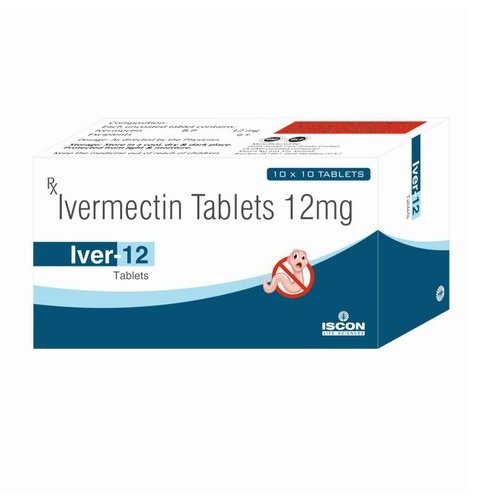
| Medicine Identifier | Ivermectin (also known as Stromectol, generics) |
|---|---|
| Primary Ingredient | Ivermectin |
| Therapeutic Use | Treatment of parasitic infections (antiparasitic agent) |
| Strength Options | 3 mg, 6 mg tablets (UK availability) |
| Response Window | Noticeable effect within 24–48 hours for most indications |
| How long does it act? | Effects last between a few days and several weeks, depending on infection |
| How to take | Usually as a single dose or short course, on an empty stomach |
| Prescription Requirement in UK | Prescription-only medicine (POM) |
| Typical Price Range (UK) | £20–£50 for a course, excluding consultation fees |
Ivermectin: Antiparasitic Guidance in the United Kingdom
Ivermectin is a widely used antiparasitic medication, effective against a range of parasitic infections including scabies and certain types of worms. It is legally available in the United Kingdom as a prescription-only medicine, and its use is regulated to ensure safety and effectiveness. Below you’ll find a practical guide to understanding whether Ivermectin is the right choice for your situation, how it works, and how to access it in the UK.
Understanding Your Situation: You’re Not Alone and There Are Solutions
Parasitic infections, such as scabies and strongyloidiasis, affect thousands of people each year in the UK. According to the UK Health Security Agency (UKHSA, 2022), outbreaks of scabies occur regularly in care homes and schools, with clusters reported annually. Globally, the World Health Organization (WHO, 2022) identified scabies as a significant public health concern, affecting over 200 million people at any time. These conditions are not a reflection of poor hygiene or lifestyle—anyone can be affected, and effective treatments like Ivermectin have transformed outcomes for many.
How Ivermectin Works: Targeting Parasites with Precision
Ivermectin acts by disrupting the nerve and muscle function of parasites. It binds to specific channels (known as glutamate-gated chloride channels) in the parasite’s nerve and muscle cells, leading to paralysis and eventual death of the organism. For those dealing with scabies or intestinal worms, this means that after taking Ivermectin, the parasites are incapacitated and eliminated by the body, resulting in symptom improvement often within 1–2 days for scabies and within a week for most worm infections. Patients typically notice reduced itching, fewer skin lesions, or relief from gastrointestinal symptoms as the medication takes effect.
Is Ivermectin Right for You? Practical Scenarios
| Your Situation | Recommended Option | Reasoning |
|---|---|---|
| You have been diagnosed with scabies after failed topical treatments | Ivermectin oral tablets, single dose or repeated after 7 days | Ivermectin is effective for persistent or severe cases where creams have not worked |
| You have a confirmed diagnosis of strongyloidiasis (threadworm) | Ivermectin as first-line treatment | It is the preferred medicine for this infection due to its high efficacy and safety profile |
| You are pregnant or breastfeeding | Not recommended | Safety in pregnancy and breastfeeding has not been established; alternative treatments should be considered |
| You have significant liver impairment | Use with caution or avoid | Liver disease can affect how the drug is processed, increasing risk of toxicity |
| You have only mild itching with no confirmed diagnosis | Do not use Ivermectin | The medication should not be used without a clear parasitic diagnosis |
Choosing Ivermectin depends on your diagnosis, previous treatments, and underlying health conditions. It is not appropriate for every scenario, especially in cases of unconfirmed symptoms or for certain groups such as pregnant women.
How to Use Ivermectin: Day-to-Day Practicalities
- Dosage and Timing: Ivermectin is usually taken as a single dose, sometimes repeated after 7–14 days, depending on the infection and medical advice.
- Taking the Medicine: Swallow the tablet(s) with water on an empty stomach, at least one hour before or two hours after food. This increases absorption and effectiveness.
- If You Miss a Dose: Take it as soon as you remember. If your next dose is soon, skip the missed dose—do not double up.
- If Treatment Doesn’t Work: A lack of improvement after the recommended time may mean the infection is resistant, the diagnosis is incorrect, or another condition is causing the symptoms. Consult your doctor for reassessment.
- What’s Normal: Some mild itching or skin inflammation can persist for a few weeks as the body clears dead parasites—this does not mean treatment has failed. If symptoms worsen or new ones appear, seek medical advice.
Timing, food restrictions, and follow-up are important for optimal results. Always complete the course as instructed and attend any follow-up appointments.
Important Safety Information
When Is Ivermectin Not Safe? Contraindications Explained
- Pregnancy and Breastfeeding: Not recommended because its safety has not been established for unborn or nursing babies.
- Children under 15 kg: Should not be used in very young children due to lack of safety data.
- Severe Liver Disease: May increase the risk of toxicity, as the liver processes Ivermectin.
- Known allergy to Ivermectin or related compounds: Use is strictly avoided to prevent severe allergic reactions.
Each contraindication is based on the risk that the medication could harm vulnerable individuals or those unable to clear the drug efficiently. If you have a chronic health condition or take other long-term medication, discuss with your doctor before starting Ivermectin.
Side Effects: What to Expect, What’s Rare, and When to Get Help
- Common (usually mild, self-limited): Nausea, diarrhoea, mild headache, dizziness, or skin itching. These typically resolve without treatment.
- Uncommon (monitor but usually not serious): Muscle aches, swelling, mild rash. If persistent, inform your healthcare provider.
- Rare but serious (seek urgent medical help): Severe allergic reactions (swelling of the face or throat, difficulty breathing), confusion, vision changes, chest pain. If any of these occur, call NHS 111 or 999 immediately.
Most people tolerate Ivermectin well, but allergic reactions can occur. If you experience signs of a severe allergic reaction or sudden worsening symptoms, seek emergency assistance via NHS 111 or 999. Overdose is rare, but symptoms such as severe dizziness, confusion, or loss of consciousness require immediate help.
Can Ivermectin Be Taken with Other Medicines? Interactions
Ivermectin can interact with certain medicines that affect how it is metabolised or processed in the body. Medications that affect liver enzymes (such as some antibiotics, antifungals, and antiepileptics) may increase or decrease Ivermectin levels and potentially cause more side effects or reduce effectiveness. Avoid taking Ivermectin with strong CYP3A4 inhibitors (such as ketoconazole) unless instructed by your doctor. Always inform your healthcare provider of all medicines, vitamins, and supplements you are taking to check for possible interactions.
Comparing Ivermectin with Other Antiparasitic Options
| Medication | Indications | Advantages | Limitations |
|---|---|---|---|
| Ivermectin | Scabies (oral), strongyloidiasis, some other parasitic infections | Effective in resistant or widespread cases, easy to take, rapid symptom relief | Prescription-only, not first-line for all infestations, not suitable for pregnancy or young children |
| Permethrin cream | Scabies (topical), head lice | First choice for simple scabies, safe for most ages | Topical, can be messy, sometimes not effective if misapplied or in severe cases |
| Albendazole/Mebendazole | Many intestinal worms | Broad-spectrum, well tolerated | Less effective for strongyloidiasis, not used for scabies |
Ivermectin is the medicine of choice for certain situations, especially when topical treatments fail or for specific worms. However, for standard cases of scabies, permethrin cream is usually used first. The best option depends on your diagnosis, severity, and personal situation.
Buying Ivermectin in the United Kingdom: Cost, Prescription, and What to Expect
| Expense Category | Cost (GBP) | Additional Details |
|---|---|---|
| Doctor’s consultation (NHS/Private) | Free (NHS) / £40–£80 (private) | NHS may involve a wait; private is faster |
| Prescription fee | £9.65 (NHS England standard charge) | Per item on prescription |
| Ivermectin cost (course of tablets) | £20–£50 | Depends on quantity and pharmacy |
| Delivery (if online) | £4–£10 | Standard tracked delivery |
| Total (minimum–maximum) | £30–£150 | Lowest if NHS, highest if private with express delivery |
In the UK, Ivermectin is only legally dispensed with a prescription. While online pharmacies are available, verified providers will require a UK doctor’s assessment and prescription. The Medicines and Healthcare products Regulatory Agency (MHRA) oversees the approval and safety of Ivermectin in the UK. If you are offered Ivermectin online without any medical review, be alert for counterfeit risks and possible legal issues.
What Else Should You Know Before Making a Decision?
- Repeat Treatments: Some infections require a second dose after a week or more to eliminate all parasites. Always follow up if symptoms persist.
- Disposal: Unused tablets should be returned to a pharmacy for safe disposal—do not share or keep for future use.
- Travel Considerations: Ivermectin may be prescribed for certain infections acquired abroad. If travelling, consult a travel medicine specialist for guidance on prophylaxis or treatment.
- Doctor’s Role: A healthcare provider’s assessment is essential to confirm the diagnosis and ensure the right treatment choice. Self-medicating with antiparasitics can be harmful if the wrong infection is treated—or if unnecessary medicine is taken.
These steps help ensure your treatment is targeted, effective, and safe. If you are unsure about any aspect of Ivermectin use or your diagnosis, consult a medical professional before proceeding.